The Hidden Learning in Summer Fun
When summer arrives, routines relax, schedules open up, and children are given the freedom to simply be kids. To many parents, it can feel like a break from learning—but in reality, summer is filled with rich, meaningful opportunities for growth. The key is recognizing that learning doesn’t stop when the classroom doors close. It simply looks different.
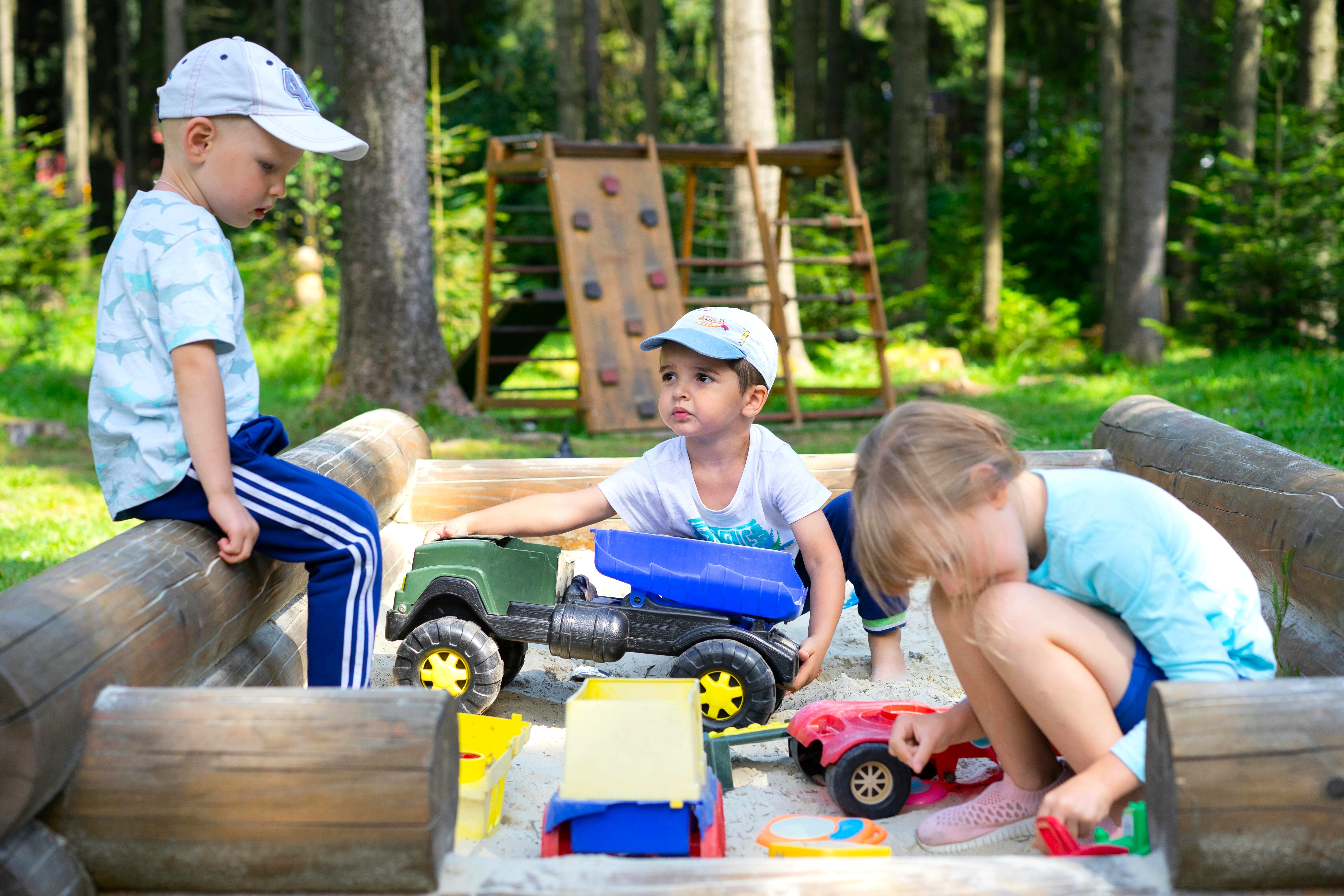
Everyday summer activities are packed with learning potential. A trip to the pool builds more than swimming skills—it encourages confidence, coordination, and risk-taking. Playing in the sand introduces early engineering concepts as children build, test, and rebuild structures. Even something as simple as a walk outside can turn into a lesson in observation, language, and curiosity as children notice bugs, plants, and changes in the environment.
Social development also thrives during the summer months. Whether at camp, on the playground, or during family gatherings, children are constantly practicing how to interact with others. A summer camp experience, in particular, offers a wonderful balance of structure and play, giving children opportunities to build friendships, try new activities, and grow their independence in a supportive environment. Across all of these settings, children learn to take turns, express their needs, solve problems, and navigate relationships—building emotional intelligence and resilience along the way.
Unstructured time, often seen as “downtime,” is actually one of the most valuable parts of summer. When children are not directed from one activity to the next, they begin to use their imagination. They create games, invent stories, and explore ideas in ways that build creativity and independent thinking. Boredom, in small doses, can spark innovation.
Language and literacy skills continue to develop naturally as well. Conversations during car rides, storytelling at bedtime, or reading a favorite book together all contribute to vocabulary growth and comprehension. Children learn best through connection, and summer provides more opportunities for these meaningful interactions.
Parents don’t need elaborate plans or structured lessons to support learning during the summer. In fact, the opposite is often more effective. By slowing down, being present, and engaging in everyday moments, families can create an environment where learning happens organically.
Summer fun is not a break from learning. Through play, exploration, and connection, children continue to build the skills they need to thrive, all while making the joyful memories that define childhood. Enjoy these summer days, and take notice of all that is around to spark learning and creativity!