Andrew Mims - Oak Grove Estate Planning
People ask me all the time why I decided to write a book about estate planning. The honest answer is simple. I got tired of seeing good families blindsided by what happens when someone dies without a plan.
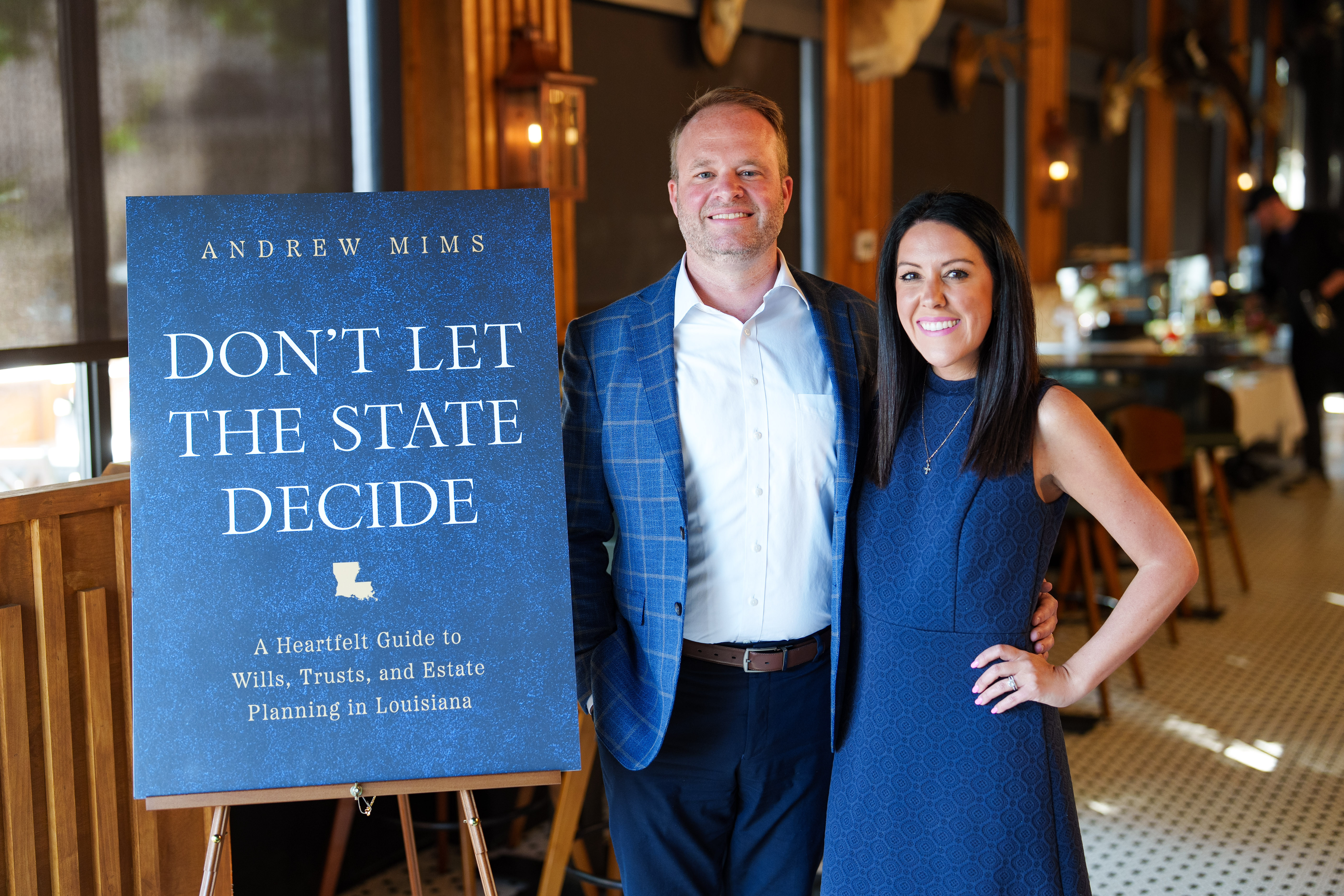
Over the years, I’ve sat with spouses, children, and families just days after losing someone they love. Many of them are grieving and overwhelmed, and then suddenly they are thrown into court proceedings, legal paperwork, confusion over accounts and property, and sometimes even family conflict. A lot of the stress could have been avoided with some basic planning.
The hard part is that most people do not avoid estate planning because they are irresponsible. They avoid it because life is busy. Kids, work, bills, schedules, aging parents, and everything else gets in the way. Estate planning becomes one of those things people know they need to do, but keep putting off until “later.”
Unfortunately, later does not always come.
I also realized there is a huge misunderstanding about what estate planning actually is. People hear words like wills, trusts, probate, powers of attorney, and they immediately think: “That’s for rich people,” or, “That sounds complicated,” or, “I’ll deal with that when I’m older."
But estate planning is not really about money.
- It is about making life easier for the people you love if something happens to you.
- It is about making sure your children are protected.
- Making sure someone can help if you become sick or incapacitated.
- Making sure your spouse is not stuck dealing with unnecessary court proceedings.
- Making sure your family knows what to do instead of guessing.
One of the other reasons I wanted to write this book is because Louisiana is different than almost every other state when it comes to estate planning and inheritance laws. A lot of the information people read online simply does not apply here.
Louisiana has forced heirship laws, usufruct rules, community property laws, and succession procedures that are unique compared to most of the country. Families will often Google something, read an article written by someone in another state, and assume the same rules apply here when they do not.
I cannot tell you how many times someone has come into our office saying: “Well, my friend in Texas did this," or, “I saw online that you can avoid all this by doing that.” And my answer is usually, “Not necessarily in Louisiana.”
That was another major motivation behind the book. I wanted Louisiana families to have a resource written specifically for them by someone who actually practices here and deals with these laws every day.
I wrote Don’t Let the State Decide because I wanted a normal Louisiana family to be able to pick it up and actually understand this stuff without needing a law degree.
No legal jargon. No scare tactics. No trying to sound smarter than everyone else. Just straightforward explanations and real stories from situations I have seen families go through.
Writing the book also became personal for me. My wife Christy and I are raising our boys here in South Louisiana, and becoming a husband and father changed the way I look at all of this. You start thinking less about yourself and more about the people who would be affected if something happened to you unexpectedly.
At the end of the day, estate planning is really an act of love. You are making difficult decisions now so your family does not have to later. My hope is that the book encourages people to stop putting this off and at least start the conversation. You do not have to have a perfect plan overnight. You just have to take the first step.
Because whether we plan or not, the state already has a plan for us. And most people would not choose it.