Cardboard
Have you ever wondered who invented cardboard and how it evolved over the years?
Cardboard first appeared in the early 1600s in China. It was comprised of recycled materials like old rags, fabric scraps, and paper remnants. After these materials were gathered, they were crushed together and layered using natural adhesives to create a heavy board. Many years later, in 1817, the first-ever paperboard box was created by an English company called M.Treverton & Son. However, it wasn’t until 1871 that the first corrugated cardboard box emerged, which was mainly used for the shipping and handling of goods.
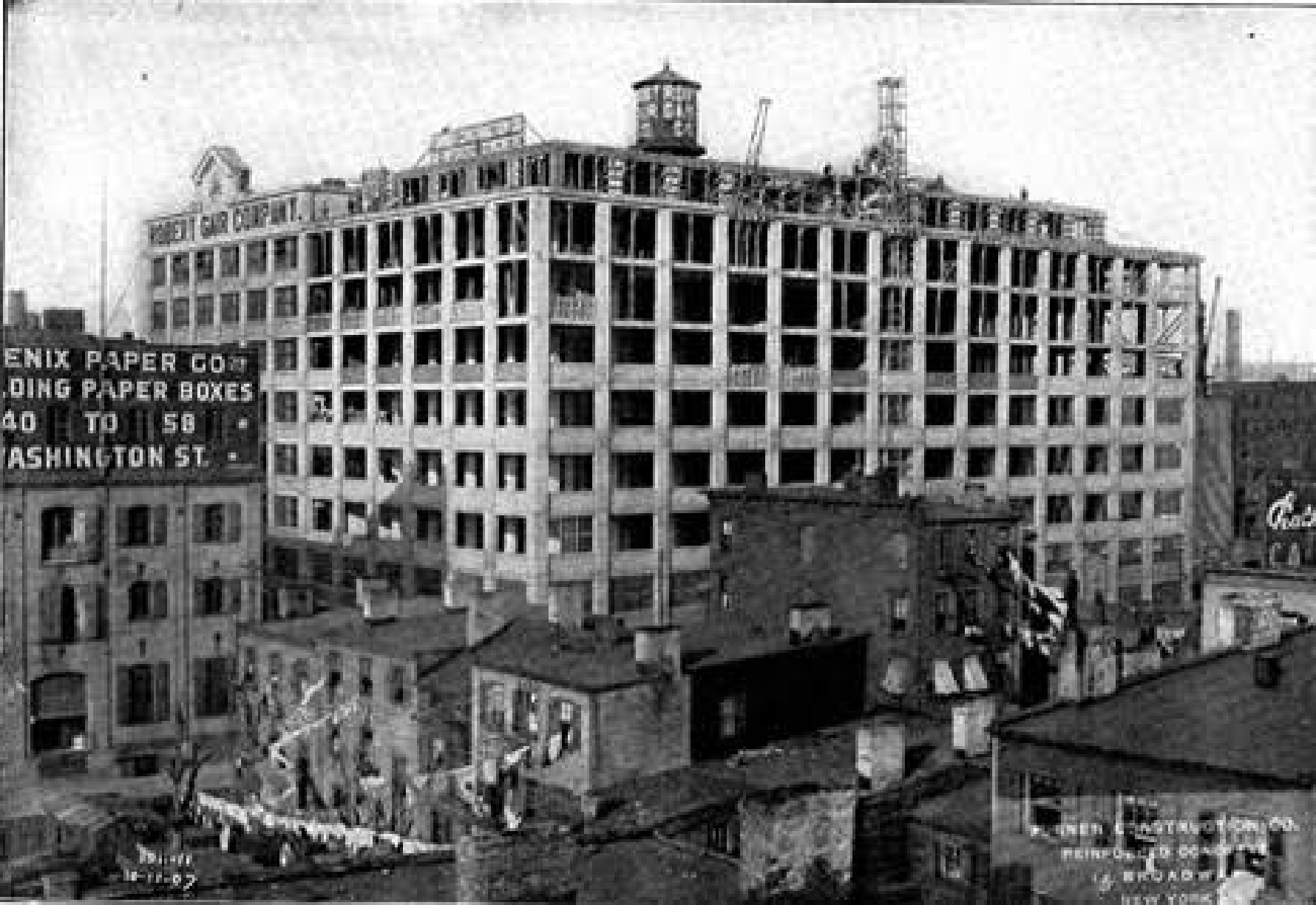
The pre-cut cardboard box we use today didn’t come about until 1890, thanks to a man named Robert Gair. Born on July 31, 1839, in Edinburgh, Scotland, Mr.Gair later immigrated to America when he was 14 years old and passed away from a stroke on August 1, 1927, in Westhampton Beach, New York. Mr. Gair worked as a clerk in a dry goods store in NYC before serving in the Civil War, where he became a captain. In 1864, Mr. Gair established his own business as a paper jobber, he named it the Robert Gair Company. A paper jobber is a person who purchases paper rolls or tons of paper from big manufacturers at a discounted price; they then cut, repackage, and distribute that paper to local businesses. In 1876, Mr. Gair widened his business by manufacturing different types of paper goods, which led to his development of the machine used for manufacturing corrugated paper. In 1879, Mr. Gair was patented for the machine that created folding boxes. After that, he became a prominent figure in the packaging industry and his business transformed from a small paper goods store, to a massive paper-box empire.
In 1888, Mr. Gair decided to move his business closer to where his friend moved to in DUMBO, NY. Mr. Gair's business was on the corner of Washington and Water Street; in addition to Mr. Gair’s industrial business, he also invested in real estate and developed industrial buildings all around DUMBO, some of which he occupied for his firm and others he leased. After Mr. Gair’s death, his operations slowed down and there was no more direct family management; however, the company did move its primary manufacturing operations to Piermont, New York, and across other regional facilities. Even though his manufacturing plants left Brooklyn, his monumental brick buildings still stand tall today in the heart of DUMBO.
Here's to another interesting story of how one creation came such a far way and impacted the way we live our lives. I hope you enjoyed this month’s article.