Seeing Red: The Pros and Cons of Red Light Therapy as a Wellness Tool
When I think of wellness and February, I think red. Red for the people I love, red for heart health—and more recently, red light therapy. Also known as low-level light therapy (LLLT) or photobiomodulation, red light therapy has moved quickly from dermatology offices into homes, gyms, and social media feeds.
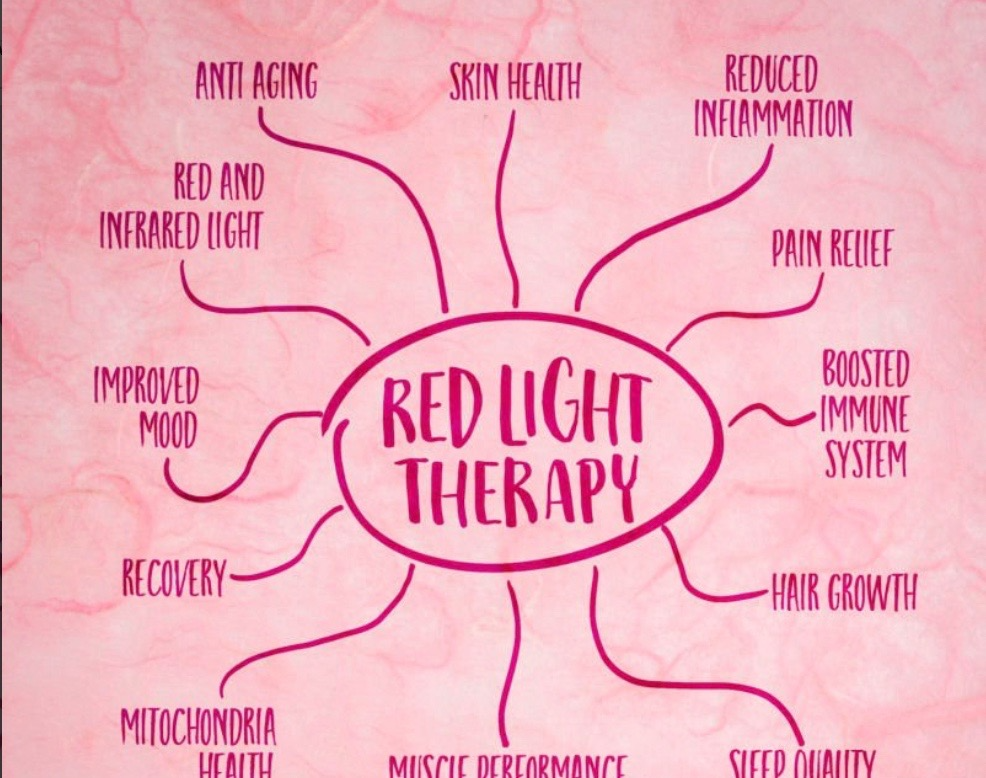
Red light therapy has been studied for decades and is used clinically to support wound healing, reduce inflammation, and improve certain skin conditions. Research shows it can be beneficial for acne, rosacea, fine lines, wrinkles, and overall skin tone. It has also been explored for hair thinning, joint pain, muscle recovery, and post-chemotherapy discomfort. Devices range from face masks and handheld wands to wraps and full-body panels, typically used for 5–20 minutes several times per week.
So how does it work? Red and near-infrared light penetrate the skin at specific wavelengths—generally 630–660 nanometers for red light and around 810–880 nanometers for near-infrared. These wavelengths stimulate the mitochondria, the “powerhouse” of the cell, increasing the production of ATP (adenosine triphosphate). ATP fuels cellular repair and regeneration, which may explain improvements in skin texture, collagen production, and recovery.
When used correctly, red light therapy is considered safe. The primary risk is eye damage if the light is directed into unprotected eyes, which is why goggles are recommended. It’s also important to manage expectations: results are gradual and depend on consistency, device quality, and individual biology.
The market, however, is overwhelming. Red light therapy masks range from $300 to over $4,000, such as the Artemis system, which offers multiple light colors designed to target different skin depths. Blankets and full-body panels can range from $300 to $3,500. Power density matters—insufficient output may limit effectiveness—yet higher-powered devices can be cost-prohibitive for many consumers.
I personally haven’t tried red light therapy yet, but the research around skin rejuvenation and cellular turnover is compelling, especially with regular weekly use. For those committed to consistency, an at-home device could be a worthwhile investment.
Is it a fad? No. Red light therapy is not a hoax and is supported by a growing body of research. But it’s also not a miracle cure. More studies are needed to clarify its role in pain relief, cognitive health, and chronic disease. Like most wellness tools, it works best as part of a larger, realistic approach to health—not as a magic pill