Automotive Stories Episode 14
Racing Heros-Peter Brock- Part One
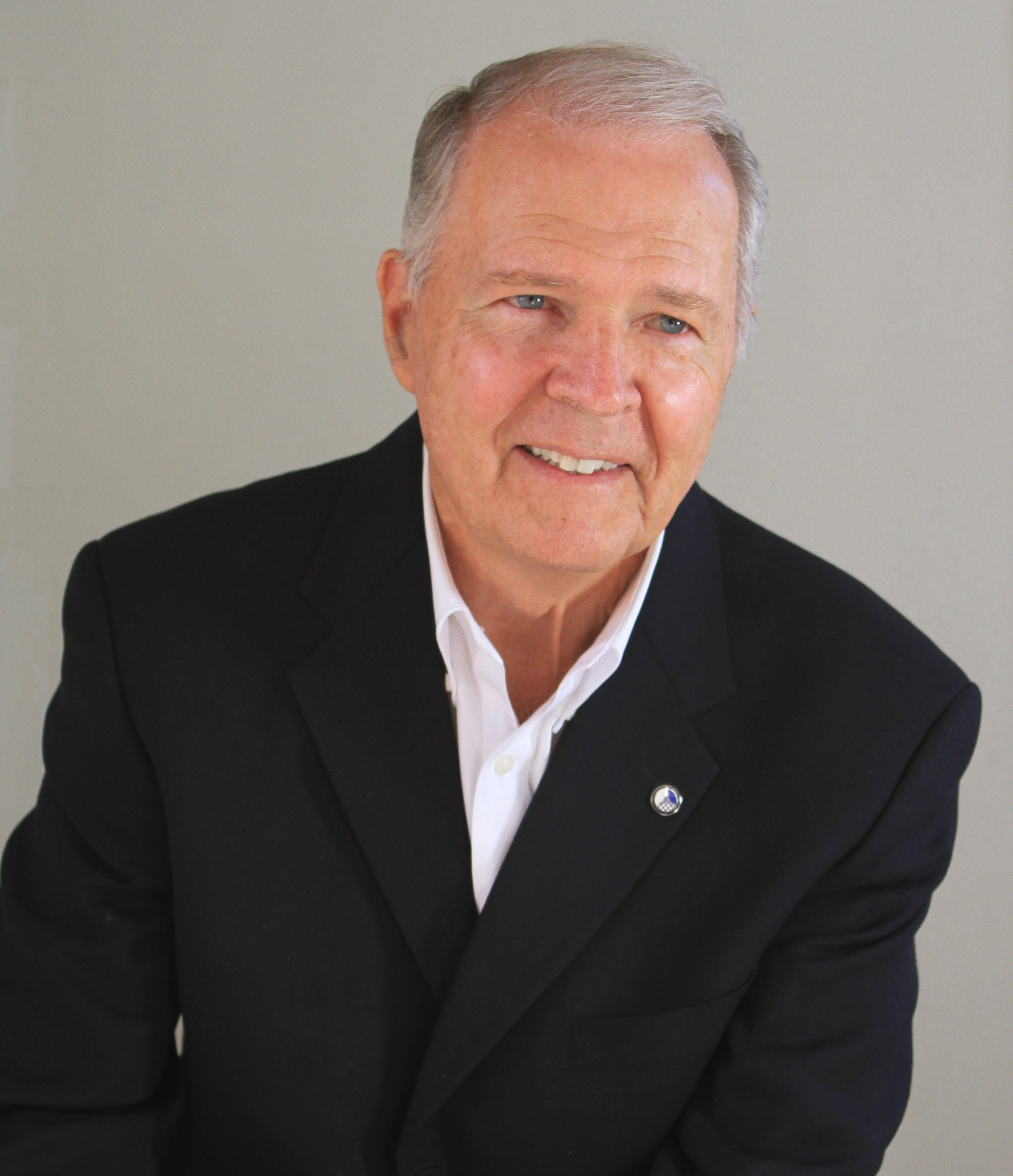
Peter Brock is an influential automotive designer and aerodynamicist of the 1960s.
When I was a young boy, growing up in Kansas, way before I was old enough to legally get behind the wheel of a car, I knew I would eventually be working on them and racing if possible. I subscribed to automotive publications such as Competition Press, Road & Track and others and would read every word on every page. I not only studied the significant cars I also followed the important men and women in motorsport such as, Carroll Shelby, Jim Hall, Jim Clark and Peter Brock.
Peter Brock lived in Southern California and was always interested in things automotive and at age 19, after high school, attended Art Center College of Design. While there a couple of his instructors guided Peter towards a General Motors design recruitment program and that led to his first job as a paid automotive designer in Detroit.
In the mid-1950s the big three automakers in Detroit were adding more and more horsepower to their cars because that is what the young buyers demanded but suspension, brakes and safety constraints were inadequate and insurance companies were starting to complain about all the carnage caused by too much horsepower stuffed into mundane cars. As a result, during the late 50s General Motors, Ford and Chrysler agreed to hold back on promoting racing and high-performance features for their street cars. At GM, Bill Mitchell, VP of GM Styling, knew that this performance moratorium wouldn’t last forever and he wanted to be ready to relaunch the Corvette as a more serious sports car that it had been up to this point.
Bill Mitchell put together a small group of mechanical and styling engineers, of which Peter Brock was the youngest outsider, and found a couple of hidden studios for this team to work in total secret for a few months while upgrading the mechanicals and giving their new creation a fresh, aerodynamic look. During development this top-secret project was known as XP-87. The result became the 1963 Corvette Stingray Split Window Coupe and when the performance ban was lifted, or ignored, it was a huge success. In 2013 Peter Brock published a book about his involvement with the 63 Split Window and I highly recommend it. I have a signed copy: “Corvette Sting Ray. Genesis of an American Icon”.
After the Corvette job Peter Brock moved back to Southern California where he teamed up with Carroll Shelby who was getting ready to launch his Cobra project. Peter was the very first paid employee that Shelby had and he handled Carroll’s high speed driving school at Riverside Raceway and other business requirements. The Shelby Cobra dominated the sports car racing scene by storm in America starting in 1962, sweeping aside all other competitors. Carroll Shelby had decided he not only wanted to win in America, he wanted to take his racing team to Europe and compete for the World’s Manufacturing Sports Car Championship which Ferrari had dominated for years. Mind you, Shelby was working with a very small financial budget from Ford and Goodyear and had handful of young hot rod mechanics to develop and maintain his racecars.
A major roadblock to European racing success was that the circuits had much longer straightaways and while the Ferraris could reach speeds of 170mph or faster the brick-like shape of the Cobra limited the top speed to the 140s no matter how much horsepower you threw at it. In earlier years Peter Brock had acquired a bunch of papers created by German aerodynamicists prior to WWII and took these unconventional ideas to Carroll who was not very receptive to Brock’s ideas at first. The rules at the time stated that if you had a production car and wanted to race it you could either upgrade the performance features of the engine and suspension, within limits, or the bodywork but not both. The Shelby hot rodders were already making more than enough reliable horsepower so Peter approached Carroll Shelby suggested he be allowed to work on the Cobra body shape to help improve its aerodynamic efficiency. Carroll was not very receptive but Peter kept pushing so Shelby told him that there was a racing Cobra over in the corner of the shop that was mechanically okay but the aluminum body was pretty banged up so that car could used as a test mule for Peter’s crazy ideas but he only had 90 days to fabricate his creation.
Peter removed the old roadster bodywork from the Cobra then worked late nights and weekends with the help of Ken Miles and a couple of open minded volunteers and they finished a strange looking enclosed Cobra with a chopped off tail section. Everybody thought this design was crazy but they took it to Riverside Raceway and Ken Miles started doing test laps. Within a short time Ken started breaking track records and once Phil Remington had made a few aerodynamic tweaks the new Cobra Coupe was going down the main straightaway 30mph faster and 25% more fuel efficient. Carroll Shelby and the other hot rodders now believed that Peter Brock was on to something. Carroll built a total of 6 Shelby Daytona Coupes, of which I have seen 4 in person, and went on to dominate sports car racing in Europe with almost no budget or support from mainland USA.
In 1965 Carroll Shelby racing team, while racing in Europe, won the World’s Manufacturing Championship away from Ferrari and all others. A few weeks ago one of these 6 Daytona Coupes sold at auction for over $40,000,000.00. There are many books that can share details about this amazing story of automotive racing history if you go online and look, which I highly recommend.
I have one more significant racecar that PeterBrock had a major hand in developing and I actually have raced against it a few times, but we are about out of space here so I’ll talk about this project next month.
Your Neighbor,
Walter Hollowell