What Lasts
The crab pot simmers, the burgers char, and another generation takes its place at the cutting board. Some traditions endure because they are woven into who we are.
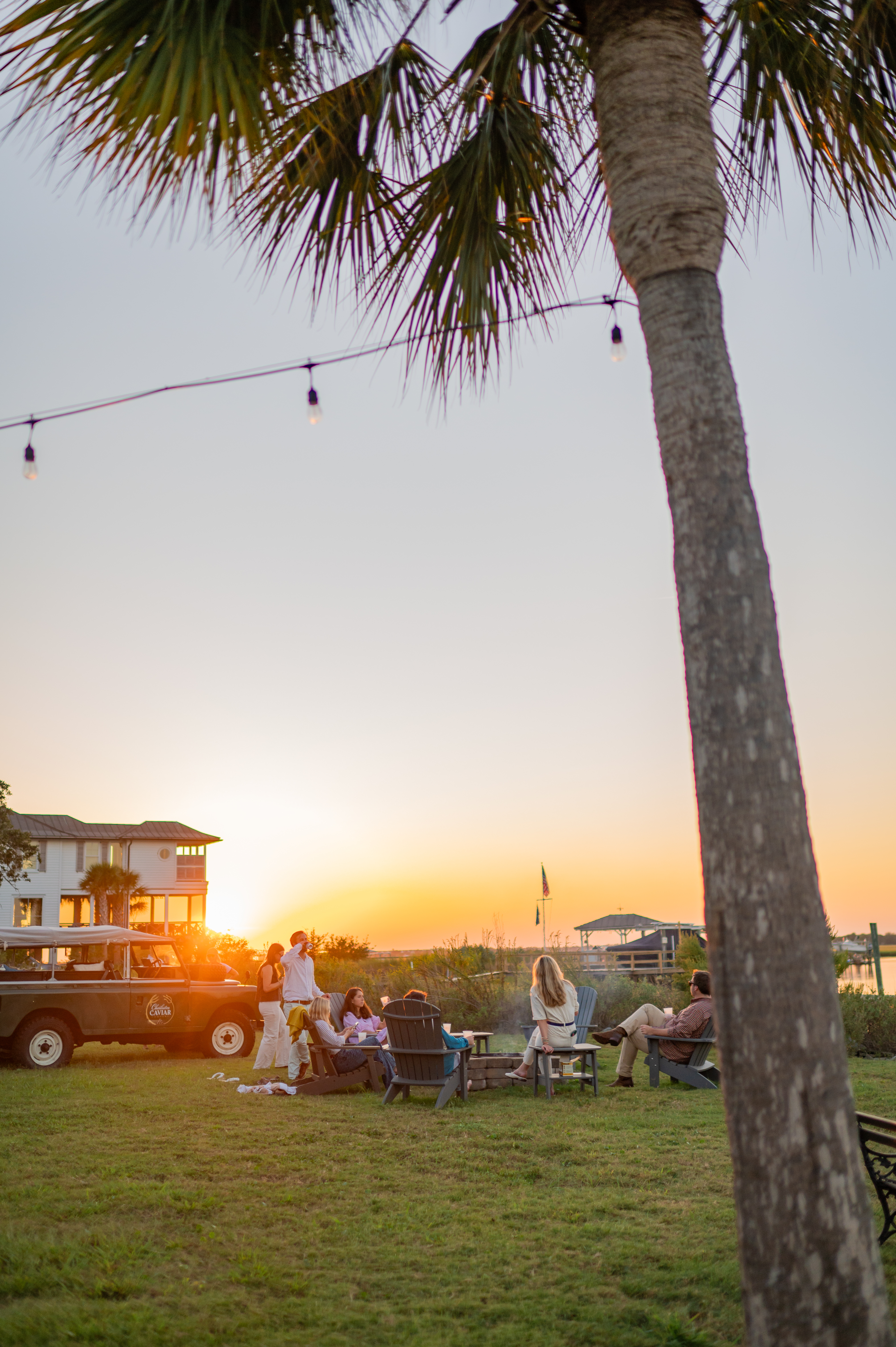
it might be good as is; The Fourth of July has always been less about fireworks for me and more about the ritual of summer: the smell of charcoal and Old Bay, the sticky sweetness of watermelon, and the chorus of cousins playing tag on the dock my grandfather built. Every year, the holiday arrives like clockwork, an anchored tradition that folds the same handful of people and flavors into whatever life else I’m living. Even now, the routine hasn’t changed much — I find myself back on that dock, watching colors bloom over the water and feeling a comfort that’s as dependable as any holiday hymn.Mornings start with the clatter of pots and the low hum of preparation. My grandfather is the designated chopper for everything — he hacks through corn, slices onions for the tomato pie, and carves blocks of butter for the peach ice cream my mom makes most years if we are lucky. He takes it seriously, the way some people take vows. His steady hands and quiet concentration are part of the ceremony; when he’s at the cutting board, the party assumes its shape. He jokes that being the chopper is an honor, and we tease him right back, but really he’s the heartbeat of the kitchen. His presence assures the food will be right, and when the plates hit the table we always know it will be.Food at our Fourth is a glorious, chaotic display of coastal summer. At the center of it all are the crab boils — large pots of seawater reddened with spice and steam. The yard fills with the briny steam of crab and corn, the air thick with lemon and cayenne and the laughter of people dunking shells into sauce. Fried flounder is another must: whole fillets breaded in cornmeal and pan-fried until the edges sing. I remember gigging for flounder with a flashlight and a shallow net once, then hauling our small catch to the dock, where someone would pinch the first crispy bite for the triumphant fisher. There’s a pride in catching part of your supper; it tastes of salt and dusk and a job well done.The rest of the spread reads like a love letter to summer: tomato pie with a flaky crust and a blanket of melted cheese over sweet, sun-warmed tomatoes; hot dogs and burgers sizzling in a line; baked beans slow and sweet with bacon and molasses. Boiled peanuts bubble and soften into that strange, tender snack that in some places is practically a religion, and homemade peach ice cream provides the cooling counterpoint — creamy and flecked with sticky, ripe chunks, frozen in churns and passed around in lopsided scoops. Watermelon, of course, is everywhere — quartered, dripping, seeds flicked into the grass. My cousins and I would swim and play on the dock until someone called us to eat, the watermelon juice running down our chins and our laughter blending with the lap of water against pilings.There’s an intimacy to these traditions because they’re shared across generations. My grandmother, Coco, has always been there, the onlooker with keen eyes and a sense of mischief. Even in college I remember larger parties when it wasn’t strictly with family. Coco would sit with her binoculars — a comical, ritual accessory — scanning the crowd like a referee at a sporting event while muttering opinions about fashion choices and who could actually hold their beer. Once she began to laugh outright at a particularly impish group of college kids dive-bombing off the dock, clutching her binoculars as if they were both imp and talisman. The scene was ridiculous and tender all at once: the generational overlap of discipline and abandon, of small-town propriety colliding with the college rite of passage.Watching fireworks from the dock is the part that compacts the day into memory. Everyone spreads out on blankets and folding chairs, and the sky becomes an envelope for color. I sit where the planks creak the best, cupping my knees, feeling the warmth of the day bleed away into night. Grandfather sits nearby, still with the echoes of the kitchen in him — the aroma of garlic and butter feels like an invisible cape. Even when people shift and life pulls us in different directions, the fireworks are a kind of punctuation that always returns me to that dock, to those faces and voices.There’s something elemental about these gatherings: the way simple things — tomato pie, a hotdog, a bowl of boiled peanuts — can hold whole histories of laughter, arguments, reconciliations, and quiet afternoons. Traditions like ours don’t shout; they persist. They are stitched into summer clothing, into the grain of the dock, into the cadence of how we talk to one another. In college, my Fourths were louder and sometimes wilder, punctuated by jello-shots and the kind of freedom that comes with youth. But even at their most raucous, the holiday still circled back to the same elements: food, family, and the sky filled with light.Now, when I sit on the dock and watch the fireworks, I realize how these rituals shape the rhythm of my year. The Fourth is a constant, as reliable as Christmas in its ability to gather us — different from the quiet, reflective traditions of December, but no less sacred. And no matter how big the party, no matter who brings the beer or how fancy the bikinis, someone will always call for more peach ice cream and once my grandfather, now my mom will be the one slicing tomatoes with that same steady hand.That steadiness is what lasts. The crab pot will simmer, the burgers will char, we will pass plates and stories and the watermelon seeds will mark the lawn. We will end the night smelling of smoke and salt and sugar, and afterward, as the embers cool and the dock is swept, the memory will sit ready — reliable, familiar, and ready to be lived again next year.