Old Glory at Home
As America celebrates 250 years, here’s how to properly honor, display, care for, and retire one of our nation’s most enduring symbols.
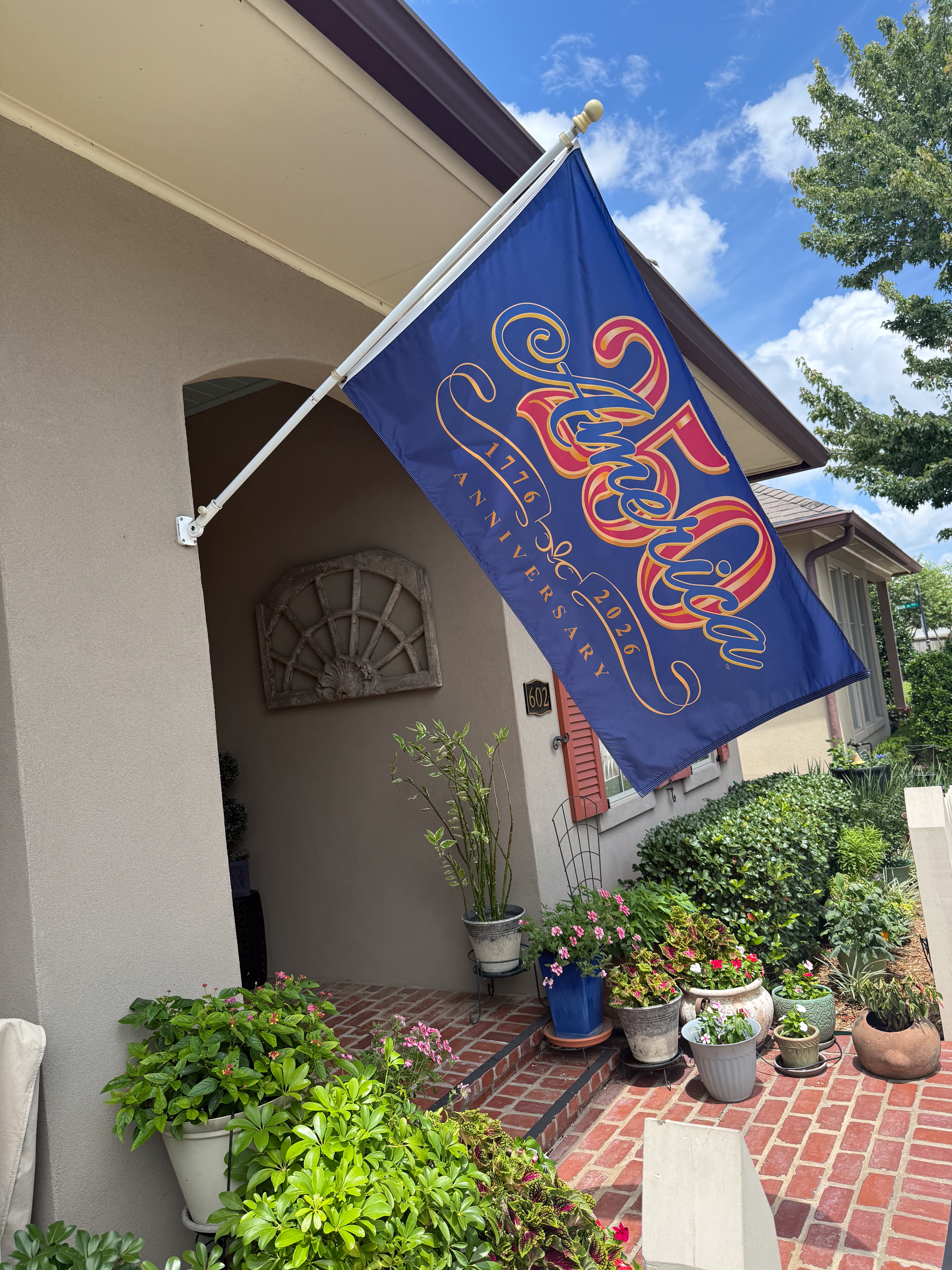
Few symbols are more recognizable or meaningful than the American flag. For generations, “Old Glory” has represented freedom, sacrifice, unity, and national pride. As we celebrate America’s 250th anniversary this July, many families throughout Sugar Mill Pond will proudly display the stars and stripes outside their homes.
The nickname “Old Glory” dates back to 1824, when sea captain William Driver of Salem, Massachusetts, was gifted a flag for his 21st birthday by his mother and a group of local girls. Captivated by the gift, he named it “Old Glory” and carried it with him on his voyages around the world. Years later, during the Civil War, Driver famously hid the flag inside a comforter to protect it after Tennessee seceded from the Union. When Union soldiers entered Nashville in 1862, he proudly raised Old Glory once again above the state capitol.
The story of the American flag itself is also rooted in early American history. While many associate the original Stars and Stripes with Philadelphia seamstress Betsy Ross, historians continue to debate whether Ross or Congressman Francis Hopkinson designed the first official flag. What remains certain is that on June 14, 1777, Congress officially adopted the Stars and Stripes as the nation’s flag, beginning a tradition that continues nearly 250 years later.
Flying the Flag at Home
Displaying the American flag is a wonderful way to show pride in our country, but there are a few simple etiquette guidelines that help ensure it is treated respectfully.
When hanging the flag on your home, the blue field of stars should always appear in the upper left corner from the viewer’s perspective. Traditionally, the flag is displayed from sunrise to sunset, though it may remain up overnight if properly illuminated.
During severe weather, especially strong winds or storms, it’s best to bring the flag indoors unless it is specifically labeled as an all-weather flag. Taking it down during rough weather can help preserve its appearance and prevent damage.
To help extend the life of your flag, store it in a clean, dry place when not in use for extended periods. Many neighbors also carefully wrap the flag around its pole and secure it with a rubber band or other tie for storage. Keeping the flag dry, protected, and neatly stored can help prevent fading and unnecessary wear over time. Be sure to scan the QR code included with this article for a step-by-step video demonstrating the traditional method of properly folding the American flag.
When It’s Time to Retire a Flag
Over time, even well-loved flags can become faded, torn, or worn. When that happens, the American flag should be retired respectfully, typically through a ceremonial burning conducted by veterans organizations such as the VFW or American Legion.
Residents may dispose of worn flags through the flag drop-off box at Lafayette VFW Post 9822, located at 120 VFW Road in Duson.
Residents may also contact neighbor Bill Miller at (337) 380-8438. He has graciously offered to pick up worn or tattered flags from neighbors and bring them to the VFW’s monthly flag retirement ceremony.
A Symbol Worth Honoring
The American flag serves as a reminder not only of our nation’s history but also of the values, sacrifices, and freedoms it represents. Whether it’s proudly displayed outside your home, carefully folded and stored between holidays, or respectfully retired after years of use, taking the time to properly care for the flag is a small but meaningful way to honor our country and those who have served it.