It's Never Too Late to Get STRONG!
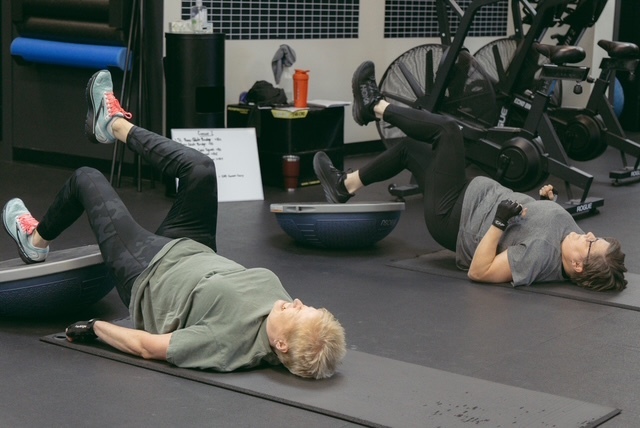
It’s so hard to watch someone you love grow old. Seeing someone who was once vibrant and active begin to slow down isn’t easy. A large population of baby boomers is now approaching older age, and with that often comes the belief that aging requires frailty and immobility.
That idea itself is outdated. Research shows quite the opposite: movement becomes even more important as we age. Our joints naturally begin to lose range of motion over time, which means we have to be intentional about maintaining mobility. Joints rely on connective tissues and synovial fluid—think of it like oil that keeps the Tin Man from freezing.
The muscles surrounding our joints and supporting our skeletal structure also change when they aren’t used as they were designed. Think of playdough: when you stretch it, move it, and use it, it stays soft and pliable. But if you leave it untouched, it dries out, hardens, and is much harder to return to its original state. Our muscles and joints are no different.
As we age, hormonal changes and lifestyle factors can naturally increase body fat percentage—especially if we stop moving. Strength training with progressive resistance helps build lean muscle and can stabilize, or even reduce, body fat over time. Maintaining muscle isn’t just about appearance; it supports metabolism, joint stability, and independence.
And what about your heart? One of the most important muscles in the body also needs attention. Without regular activity that elevates the heart rate, the cardiovascular system becomes more vulnerable to issues like hypertension, heart disease, and stroke. Movement supports circulation, endurance, and overall longevity.
Another often-overlooked risk with aging is falls. Injuries like hip fractures can be life-altering, not just because of the break itself, but because recovery requires strength that many older adults no longer have. Building strength, balance, and coordination plays a major role in reducing that risk.
The good news is that it’s never too late to start exercising. An effective routine for older adults might include two to three workouts per week, starting with lighter movement and gradually progressing over time. A well-rounded approach should include mobility work for joint health, resistance training to build strength, cardiovascular movement to support heart health, and core work to improve balance and stability.
A big concern—and common excuse—is getting hurt. Ironically, one of the best ways to prevent injury is through proper training. Doing the right exercises, with correct form and appropriate resistance, makes all the difference. This is where qualified, certified coaches can provide guidance and confidence.
At Tranzform, our Fit for Life program is designed for individuals 55 and older to support all of the above. Whether you’ve been active for years or have never stepped foot in a gym, there’s a place for you. Working out with people in your stage of life builds friendship, accountability, and something to look forward to—your fitness family.
Because it’s not just about living longer. It’s about living better.
Family on three… 1, 2, 3 FAMILY!