From Engineering to Healing: Dr. Lee Phillips’ Path to Pediatric Orthopedics
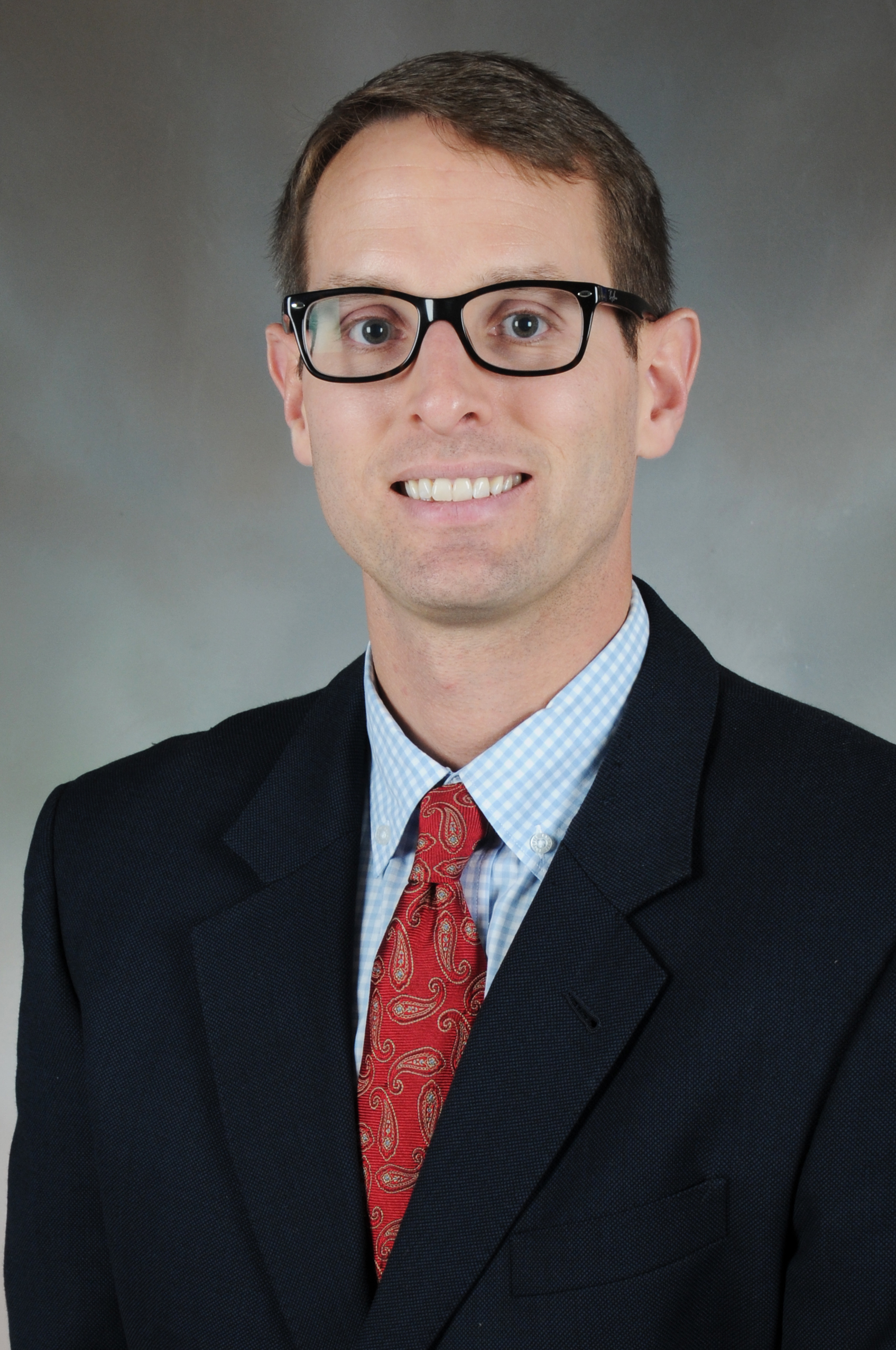
Meet Dr. Lee Phillips, an accomplished pediatric orthopedic surgeon!
Dr. Phillips had known he wanted to go into medicine since high school, but his path to get there was a bit different than most. In college, he started off on a pretty normal pre-med track as a chemistry major. But he started to think about what he would do with a chemistry degree if he didn’t like medicine. So, he switched to engineering.
Dr. Phillips studied biomedical engineering at Texas A&M, and that was when he developed a passion for orthopedics. His interest in orthopedics was affirmed during medical school at McGovern Medical School at UTHealth, when he started doing rotations. However, it wasn’t until his residency in Salt Lake City at the University of Utah Health that he decided to pursue a pediatric subspecialty.
Usually in orthopedics, a doctor has a certain area of the body on which they focus. After completing residency and during a fellowship, the doctor starts to explore a subspecialty. Dr. Phillips did his pediatric orthopedics fellowship at the University of California, San Diego Medical Center, and then moved back to Dallas for his pediatric hand surgery fellowship.
Dr. Phillips emphasized that specialties can really influence the practice you choose to join for your career. For example, a smaller practice may require the surgeon to be able to do everything, whereas a larger practice may allow for more focused specialties.
Since moving from Texas to St. Petersburg in 2015, Dr. Phillips has been working with a group of pediatric orthopedists called Children’s Orthopaedic and Scoliosis Surgery Associates, LLP. Dr. Phillips also works with Johns Hopkins Children’s Hospital. Because he is involved with larger practices, Dr. Phillips is able to specialize in hands and upper extremities, even though he is well-versed in other parts of the body.
Dr. Phillips’ specialty is an interesting mix of plastic surgery and orthopedic surgery. He enjoys this area because he likes being able to help kids with congenital upper extremity differences and then watch them grow up. Dr. Phillips is able to follow his patients for a pretty long time compared to other areas of orthopedics.
So what does a typical week look like for Dr. Phillips? Because his practice has two locations, one in St. Pete and one in Tampa, he divides his days between the two. He usually spends one day in the St. Pete clinic and one day in the Tampa clinic. Additionally, he has two OR days at Johns Hopkins Children's Hospital. Dr. Phillips’ Fridays are either in the clinic, the OR, or off.
Dr. Phillips finds that the hardest part of his job is trying to maintain a good work-life balance. Sometimes it is difficult to help his kids understand what his work demands. Dr. Phillips also feels that it can be difficult to suggest treatments to families that can bring discomfort/stress to them or their children, whether from treating a fracture or fixing a congenital problem. It can be hard to guide families through the decision and course of treatment.
Dr. Phillips has some tips for aspiring doctors! He says that during your undergraduate studies, be sure to study something that truly interests you. If you later find that medicine isn’t something that you want to pursue, you still have other options. He also says that grades matter, and it is important to try to do well on tests. It is important that you are curious and able to teach yourself things, too, because there is always new knowledge and new information. If presented with the opportunity, shadowing doctors is a great way to learn about medicine.