2026: Formula One Hits the Reset Button
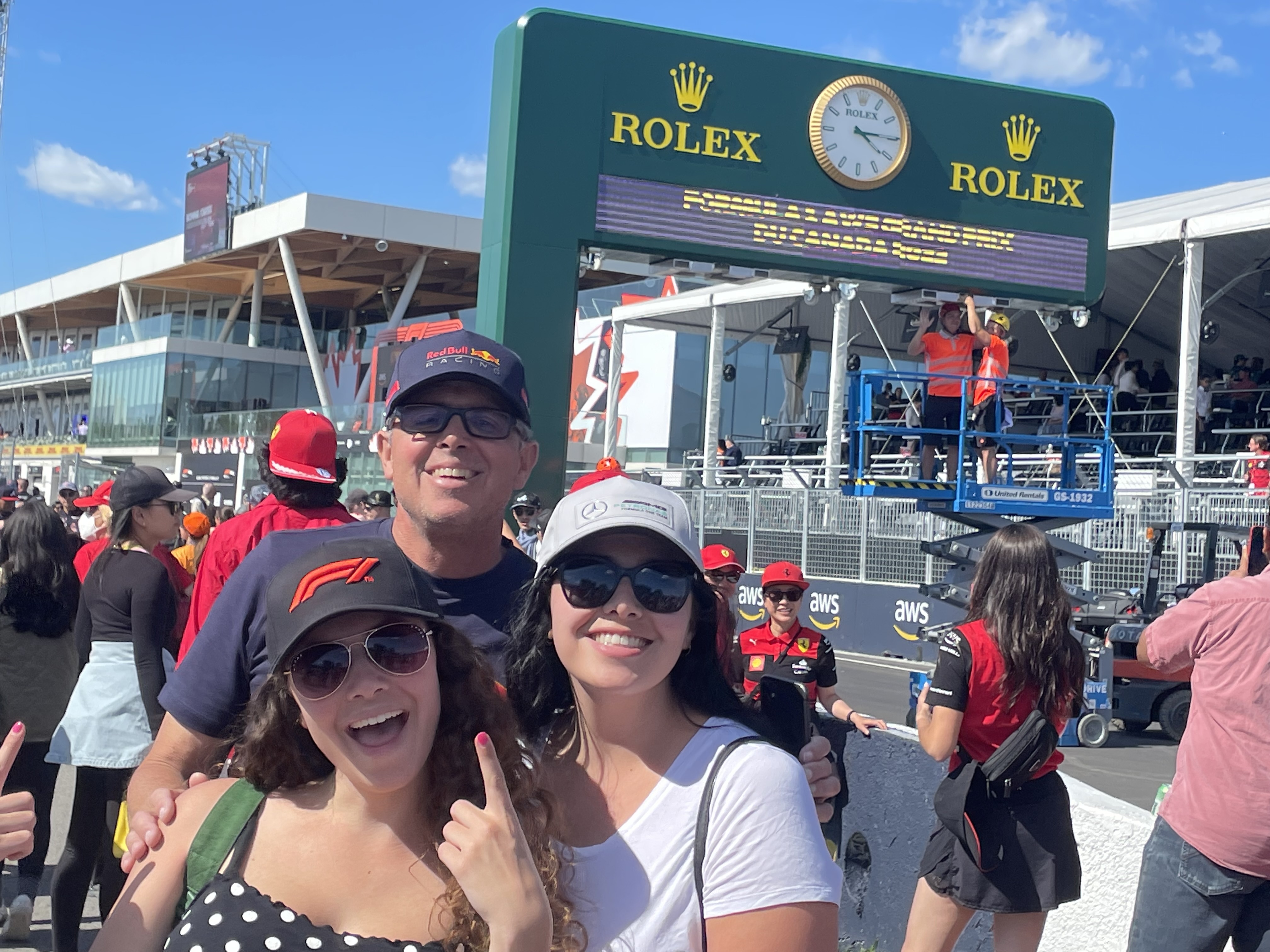
In our family, motorsports season has been something we look forward to and it’s part of the tradition of the year. And this year, the 2026 Formula One season has me especially fired up, because it’s a total reset.
At home, our loyalties are split. We’ve got fans of McLaren, Ferrari, and Mercedes (and even Red Bull at one point). These are teams with great histories and familiar liveries. But for the first time in a long while, Formula One feels unpredictable again. And that’s exciting.
Why 2026 is DiƯerent
Every 7 to 10 years, Formula One introduces major changes. The 2026 season is one of those moments. New cars. New engines. New teams. It’s how the sport forces itself to evolve.
First oƯ, the cars will be shorter, narrower, and lighter than they are today. I’ve been waiting for this. The cars have gotten so big over the years that we joke that they practically need a three-point turn around the Monaco hairpin. This is a track where passing has become almost impossible simply because the cars are too big for the twisty and narrow streets.
Aerodynamics are changing as well. Active aero will replace today’s simple on-oƯ drag reduction system. Driver input and strategy will become more critical to maximize performance as they switch between low-drag and high-downforce modes. I’m cautiously optimistic this will lead to more overtaking and fewer “drive-by” passes.
As noticeable as the visual changes will be, the biggest change is in the engine or “power unit,” as Formula One refers to it. The days of V8s, V10s, and V12s are long gone. There was nothing like the sound of a V10 or V12 on the racetrack. Wow, do I miss those days. But I digress. Formula One has been running turbo-hybrid V6 engines since 2014 but now about half of the car’s power will come from electrical energy and the engines will run on 100 percent sustainable fuel. This is Formula One focusing on the technology edge where eƯiciency and electrification matter as much as horsepower. It may not thrill my senses the same way those old engines did, but it’s the price of staying aligned with the future.
The rule change with the engine is exactly what draws in new manufacturers to Formula One, starting with Audi. Audi’s entry in 2026 is more than a branding or a quiet partnership. This is a full factory eƯort, built on the existing Sauber team, with Audi designing and building its own power unit from day one. For fans like me, this really matters. With their long history in rallying and their dominance in Le Mans, they are a credible contender. However, I don’t expect Audi to win overnight given the new engine rules and their newcomer status.
Then there’s Cadillac. And this is where my excitement really kicks in. Cadillac’s entry as Formula One’s 11th team isn’t just notable because it’s new. It’s because it will grow the American audience further and I have been patiently waiting for this. Backed by General Motors, the team will initially use Ferrari power units but plans to introduce a Cadillac-built engine in 2029. While they may be new to Formula One, Cadillac isn’t new to motorsport. The brand’s racing history stretches back more than 70 years, beginning in the early 1950s. Over the last 20 years, Cadillac has become a serious presence in endurance racing at tracks such as Daytona, Sebring, and Le Mans.
Rule changes alone don’t guarantee better racing, but resets like 2026 are often when Formula One gets very interesting.
While we’ve attended a few Formula One races over the years, we’ve yet to experience one in Europe. That should finally change in 2026. Nothing is locked in yet, but Italy and Spain are very much on the radar. And judging by the photos, it’s clear that most of my old team hats and gear won’t quite fit anymore because this next chapter means it’s finally time to make room for Cadillac F1 swag.