Part 5
Before You Take The Keys: Pre-Occupancy Tips
It is almost finished! Your new home construction or remodeling project is nearly complete. When should you feel comfortable moving in and authorizing the final payment?
A new construction or renovation project can be an emotional experience. The excitement of seeing your dream space coming to completion is often rewarding. What happens if you are not completely satisfied with an aspect of the project? When is the appropriate time to give this feedback to your contractor?
There is a saying that goes, “bad news doesn’t get better with time.” A problem (challenge) will not disappear by anyone simply ignoring, abandoning, or pretending it does not exist. The tip here is how you communicate this information to the contractor for your project. For example, you may not be satisfied with the paint on the trim. First, ask yourself, what about the paint am I not satisfied with? Is it the color of the paint or the quality to which it was applied? Prepare yourself for a conversation with the contractor by thinking about what you believe is an acceptable resolution to the concern.
Instead of saying, “I really don’t like the paint on the trim,” you might ask the contractor how they feel the paint on the trim turned out. Once they respond, you will know if you are aligned with your concern. You might follow up and say, “I really like the color; however, I wasn’t expecting to see the brush marks or drips/runs in the finish.” One of two responses typically takes place:
1) An offer to reach out to the painting subcontractor to see whether they would return to take care of your concerns or,
2) some convincing dialog about industry standards and why your concern should be discredited.
At this point, since you have already thought about what an acceptable resolution may be, you can politely share that with the contractor. For example, you might say, “I was hoping to have the blemishes repaired prior to moving in. Would it be possible to have the painting subcontractor return prior to make these corrections?”
It is important to note that not every concern that you bring forth is the responsibility of the contractor. For example, if your concern was with a paint color that you authorized and selected, your contractor may ask that you contribute or pay for exclusively, to have it changed. Some things simply cannot be changed without a delay or significant rework, another important consideration.
Another pre-occupancy tip to consider would be using a checklist (several are available online) to go room by room and verify everything is complete and functional. A checklist can be helpful to both you and the contractor as a means of documenting the follow-up items that need to be addressed prior to the final inspection or moving into the space.
With supply chain challenges causing material availability to be of concern, a replacement part or a specialty fixture may be left incomplete on your project. In this instance, if the item does not impact the life-safety systems of your project, you may be allowed to move into the space and the contractor can return to complete the installation. If you have concerns as to whether the contractor will return to complete the work, or the missing component is of significant value, you may consider having a withholding set aside from the final payment. A title company can hold these funds on your behalf, assuring the contractor will be paid once the work is completed.
In summary, most contractors want you to be completely satisfied with your project. Your positive feedback is important for future business. Chances are, with a reasonable approach, you and your contractor will work together to resolve your concerns. You will then move into your finished project, ready to enjoy it!
Check back in a future issue of Ledgeview Living as we explore the topic of “Making the Building Process Fun: Ideas to Engage” in the next part of the Building Ledgeview series.
About the Author:
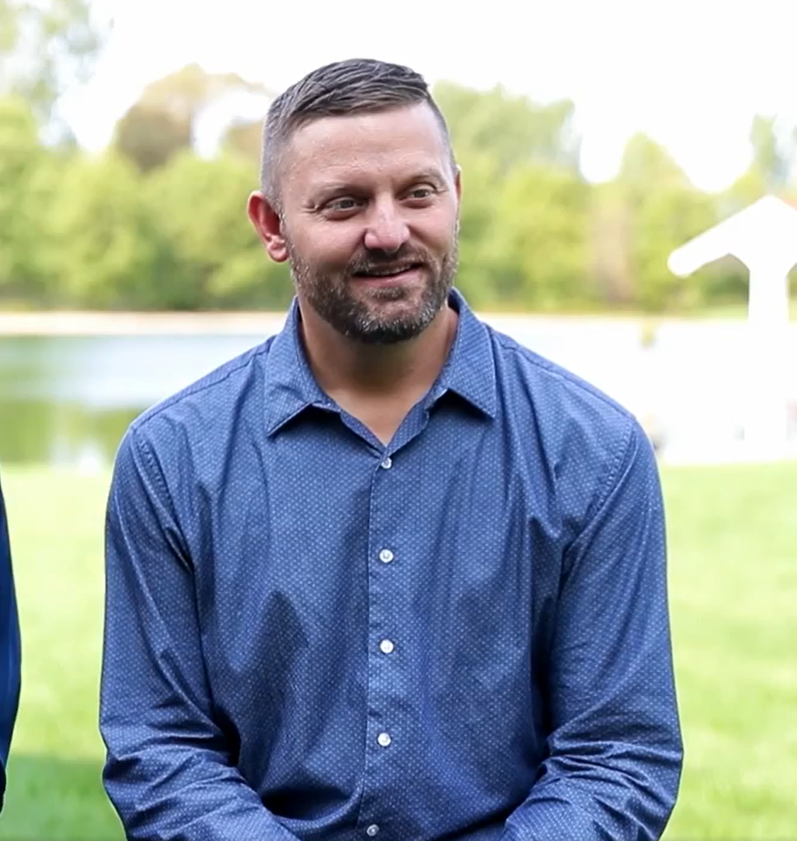
Chet Lamers is a Ledgeview resident, co-owner of Converge Properties, LLC, and serves as a member on the Ledgeview Zoning and Planning Commission. Chet holds a master’s degree in architecture and a master’s degree in urban planning from UW-Milwaukee. He has worked in real estate, design, and construction industry for over 19 years. He is a strong advocate for technical education and training offered locally at Northeast Wisconsin Technical College (NWTC).
Disclaimer:
All information and opinions contained within this article were obtained and shared for informational purposes only. The author assumes no responsibility or liability for any errors or omissions in the content of this article.