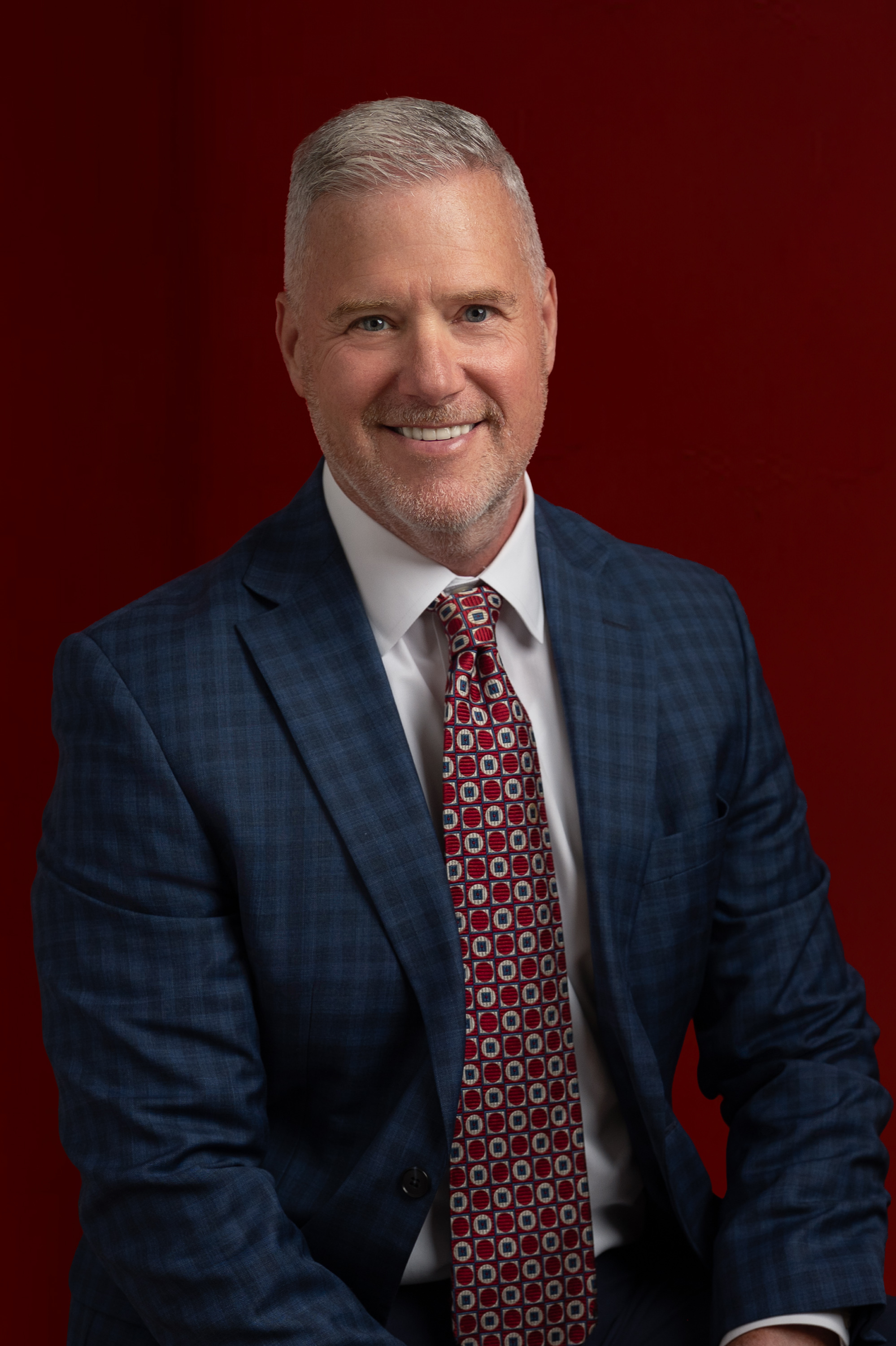
Year End Tax Reminders From Senior Wealth Advisor and Biltmore Park Neighbor Will Hester
Small year-end moves that can make a big difference.
Daily life is hectic, but slowing down to make a few small financial moves before yearend could produce meaningful results. Below are a few ideas that may help reduce taxes, protect your family and keep your financial strategy aligned with your personal goals.
Charitable Giving – Have you completed your intended gifts for 2026? Charitable contributions support important causes and may provide tax benefits. Beginning in 2026, certain cash gifts may be deductible even if you do not itemize.
Tax Advantaged Accounts – Have you maximized your contributions to your retirement accounts (401(k), IRA, Roth IRA, etc.) Also, if you are over 50, determine whether you are eligible for catch-up contributions.
Required Minimum Distributions (RMD) – Are you subject to required minimum distributions? Have you completed? Missing an RMD may result in additional taxes owed.
Qualified Charitable Distribution (QCD) – If you are at least 70½ a QCD may allow you to transfer funds directly from an IRA to a qualified charity and reduce some or all of your RMD. It can also help reduce your Modified Adjusted Income which impacts your Medicare cost and taxation on Social Security.
Tax Loss Harvesting Opportunities – Turn a lemon into lemonade. Investment losses may be used to offset capital gains and, in certain circumstances, ordinary income. Review possibilities with your advisor.
Flexible Spending Accounts (FSA) – Do you have funds left in your FSA that if not used by year end you will lose?
Rebalance Investments – Market activity can shift your portfolio away from its intended allocation. Rebalancing will help keep risk aligned with your objectives.
Beneficiary Designations – Review beneficiaries on retirement accounts, insurance policies, etc. Typically, best to have individuals named vs. an estate, but every situation is different. Beneficiary designations need to coordinate with your will, trust and overall estate plan.
Estate Documents – Life changes may lead you to modifying your will, trust, etc.
Insurance – Review all coverage. And don’t forget to discuss Long-term-care planning.
Annual Gifts – For 2026, individuals may generally give up to $19,000 per recipient without using their lifetime gift-tax exemption. Contributions to education accounts and/or health may also provide planning opportunities.
Emergency Savings and High-Interest Debt – Replenish emergency savings and have a clear repayment strategy for debt.
This list is only a starting point. Meet with your advisor to identify your priorities and create an action plan. A few thoughtful decisions today could make a significant difference tomorrow.
This article is for educational purposes and is not individualized investment, tax or legal advice.
Will lives on Braeside Circle with his wife Monica and their three children.