Healing Begins with Truth
What we face transforms us.
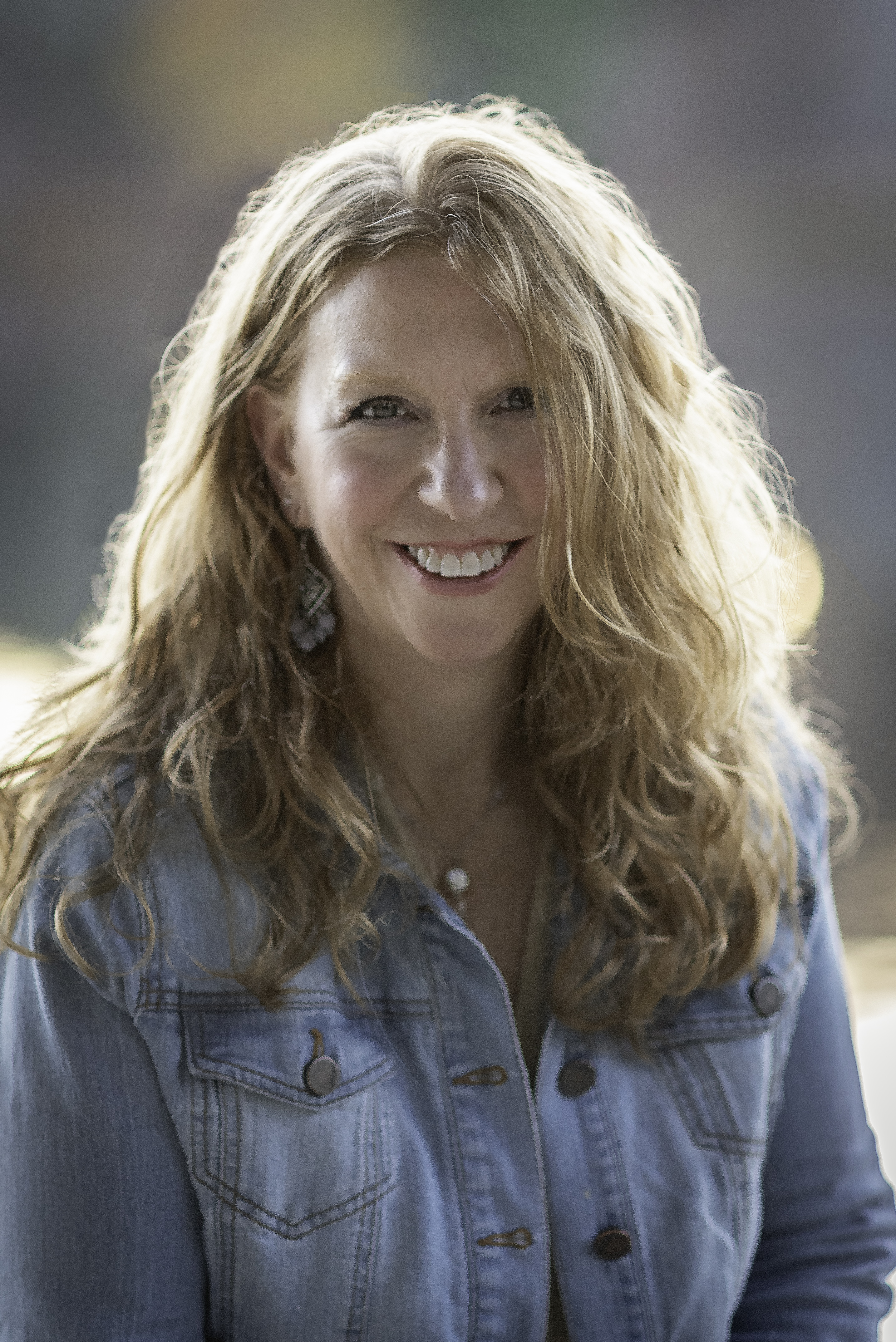
I’m deeply moved when a neighbor tells me they turn to this column and read it first. Some have said this column speaks to them. I’ve heard, “Please keep writing,” and “Thank you for putting into words what I’ve felt.” That kind of feedback means more to me than I can fully express. I love sharing words that matter.
A few people have asked how I’m comfortable sharing such openly personal details about my life. In this column, I’ve written about being an adoptee, growing up in the dysfunction of an alcoholic (adoptive) family, my therapeutic journey and finding my birth family. I don’t write about these things to overshare, like a stranger on a flight who misses the obvious book on your lap. I’m familiar with boundaries. And unlike that transatlantic flight, you’re not belted in. If this level of openness isn’t for you, you can always turn the page.
I share openly because I’ve seen the damage denial, silence and avoidance can do. I was adopted but not allowed to talk about it. Before I understood alcoholic, I knew something was wrong with my adoptive mom, but everyone ignored it. Now, as an adult, I don’t understand living in a world where we refuse to name the things that matter. If there’s a problem (and if it’s mine to fix), I want to put it under the light so I can look for a solution, rather than pretend it doesn’t exist. Silence keeps people stuck. Truth creates movement and progress.
My desire to talk about the truth led to my early decision to seek talk therapy in my 20s. Looking back as a 56-year-old today, I see that this was one of the smartest decisions I made.
Another reason I’m comfortable sharing is because I’m writing a book about overcoming. I want to offer hope to adult children of alcoholics (ACOAs) to show that there is a way out of painful family dynamics. Too often, ACOAs get stuck trying to fix a parent who is an alcoholic when it’s not their journey to own, and likely not possible. For ACOAs, childhood is stolen. I want them to know that reclaiming adulthood is possible.
To understand why truth-telling matters so much, you have to know the roles within an alcoholic family system. Everyone is assigned a part, like game pieces in a box: the alcoholic, the enabler, the golden child, the scapegoat. The scapegoat is often the only one who refuses to play along. They challenge the roles. They tell the truth. And because of that, the scapegoat — more than any other role — is often the one most likely to heal. Healing always begins with the ability to tell yourself the truth.
Or, as my psychologist said when I was 23, “You are angry. This is the appropriate response to abuse.” He also said anger is a healthy sign that you're holding on to parts of who you are.
Writer Anne Lamott says, “You own everything that happened to you. Tell your stories. If people wanted you to write warmly about them, they should have behaved better.” I believe that if more people shared their stories, we’d live in a more connected world. Growing up surrounded by denial is painful. It’s surreal, like: Does anyone see what I’m seeing? No one validates your perception. No one names the problem. The cycle just keeps playing on repeat because you are a child who is told to listen to your authority figures. For adoptees, there’s also a layer of obligation.
I believe we all deserve to tell our stories without shame. Words saved me. What if they save someone else? Expression, whether in a therapist’s office or writing in notebooks as a child, gave the truth a place to live and breathe. Even now, just opening a journal feels cathartic. Writing untangles my thoughts, clarifies my emotions and strengthens my sense of self. Words are powerful and can heal us.
Silence is costly. When we grow up in dysfunction, it becomes our responsibility as adults to do the work and process the pain so we don’t pass it on. Therapy helped me do that. And because it’s less stigmatized now than when I started in the 1990s, saying out loud that therapy worked for us can light the path for someone else.
The blunt, sometimes hilarious wisdom of my psychologist still echoes in my mind.
- Activate your own needs.
- Practice being genuine, not a people pleaser.
- Don’t sit on your feelings.
- People are not all good or all bad.
- Be OK with discomfort when others are angry at you.
- Do things that make you feel good about you.
- Trust your own perception.
- You can take back your power.
He gave me a blueprint for reclaiming myself. I felt seen, heard and validated. I had a safe space where I could tell the truth and be authentic. And though I didn’t realize it at the time, the therapeutic process reparented me and gave me the courage to take risks, like finding my birth family.
What we face transforms us.
I share without reservation because words can encourage someone else to find their voice. Words can help someone name the thing they’re afraid to say. Maybe the right words nudge someone to look at something that’s weighing them down. Words remind us that we are not alone.
Overcoming adversity is possible. We are stronger than we think we are. Giving voice to our stories is liberating. As many psychologists say, shame can’t survive the light. When we speak our truth, healing begins, allowing us to live authentically.
One unexpected consequence of sharing openly is that some people mistake vulnerability for weakness. I see it as strength. A friend recently said to me, “I don’t see you as fragile at all. I see you kicking down walls.” We all need that kind of friend, but first, we must learn to be that fierce advocate for ourselves.