Robert Shaw
A Maestro in Our Midst
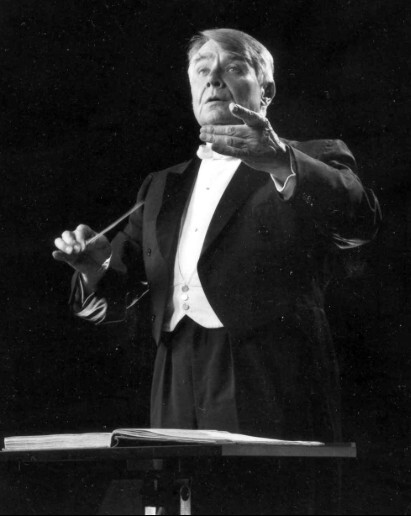
Few figures loom as large in Atlanta’s cultural narrative as Robert Shaw, the conductor who guided the Atlanta Symphony Orchestra through its most defining era of artistic growth. His tenure turned the orchestra from a respected regional ensemble into one recognized on the global stage. At the height of this transformation, Shaw made his home in Ansley Park—a neighborhood whose quiet elegance matched his devotion to craft and culture.
Shaping Atlanta’s Cultural Identity
When Shaw arrived in Atlanta in 1967, he was already known nationally for his choral leadership and for founding the Robert Shaw Chorale. In Atlanta, his ambitions expanded beyond the chorus to the full orchestral canvas. Under his direction, the Atlanta Symphony Orchestra pursued masterworks and recording projects that reshaped how the city—and the wider world—experienced classical music in the American South.
During his ASO tenure (1967–1988), the orchestra earned 14 Grammy Awards, many tied to choral-orchestral recordings—solidifying the ensemble’s reputation for technical precision and interpretive depth. Shaw’s rehearsal discipline, insistence on tonal integrity, and commitment to monumental choral compositions helped form an artistic identity for Atlanta that had previously been considered the domain of longer-established cultural capitals.
Ansley Park: Shaw’s Creative Retreat
Longtime residents recall the maestro not for spectacle, but for presence—early-morning walks along winding neighborhood streets, evenings marked by quiet study, and gatherings that drew musicians, composers, and visiting artists into a home environment that felt grounded and unpretentious. In an era of intense touring, recording deadlines, and rehearsal demands, Ansley Park offered Shaw what every artist ultimately needs: unstructured space to think, refine, and rebuild.
The neighborhood’s shaded parks, architectural heritage, and proximity to Atlanta’s arts corridor (including the High Museum of Art and the Woodruff Arts Center) provided a backdrop that supported his creative rhythm—balancing cultural access with retreat.
A Legacy That Still Resonates
Shaw’s influence stretched beyond recordings and accolades into education and artistic infrastructure. He frequently supported youth music initiatives and public arts programs, reinforcing his belief that classical music should belong to the community, not sit above it. His concept of excellence wasn’t exclusionary—it was aspirational, a thesis that Atlanta was capable of artistry at any scale.
Even after retirement from the podium, Shaw continued as Music Director Emeritus and remained a vocal advocate for the arts in Atlanta. His legacy isn’t simply heard in archived recordings—it lives in Atlanta’s continued confidence to produce, present, and demand work that rivals the best symphonic institutions anywhere.
Today, when we consider the storied streets he once walked, his imprint feels familiar: rigorous yet unshowy, ambitious yet neighborly, enduring yet local.
Like the best chapters in Ansley Park history, Shaw’s story reminds us that greatness often flourishes not in noise, but beneath a canopy of trees, in the quiet discipline of a life well-conducted.