Neel Reid
How a young architect’s vision in the early 1900s shaped the character of Ansley Park for generations.
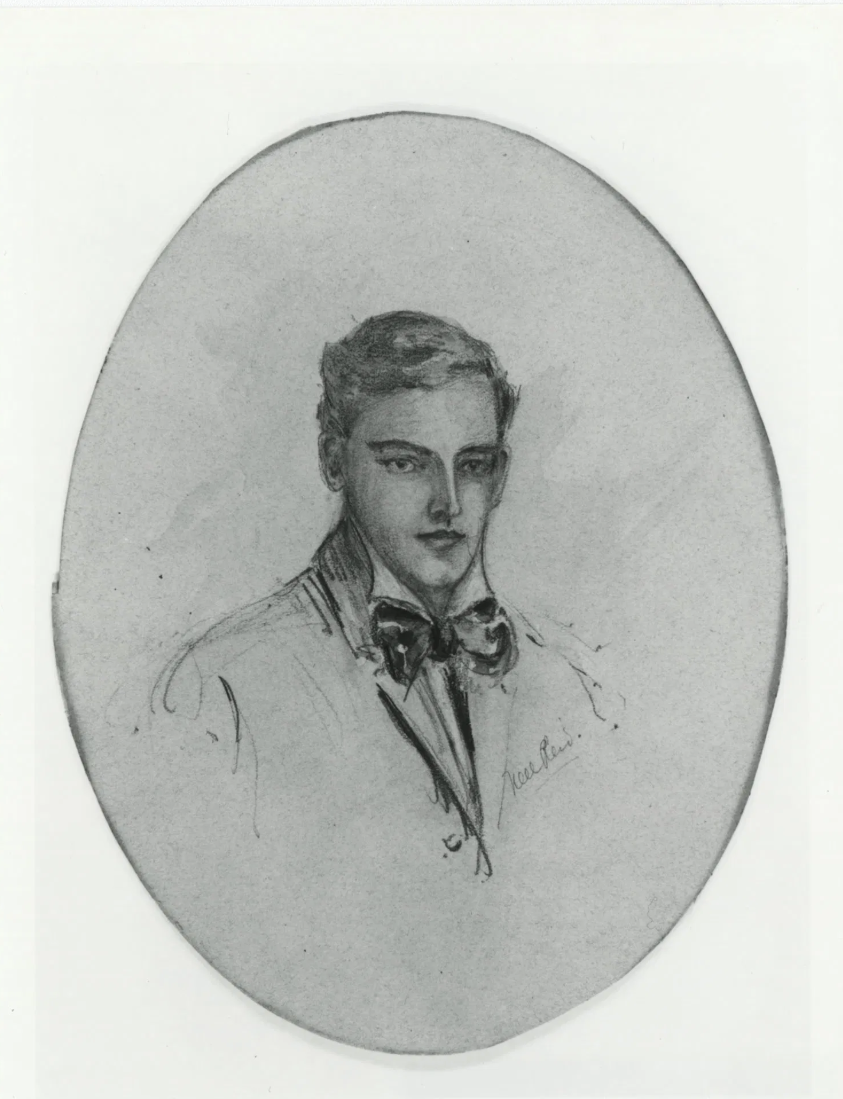
Neel Reid
Walking through Ansley Park, one of the first things that strikes you is the grace of the homes. They seem at once elegant and approachable, rooted in history but still perfectly livable today. That harmony of proportion and style owes much to an architect who left an indelible mark on Atlanta: Neel Reid.
A Rising Star in Architecture
Joseph Neel Reid, born in 1885 in Jacksonville, Alabama, grew up in Macon, Georgia, and trained as an architect at Columbia University before traveling in Europe. His studies abroad exposed him to classical styles, especially the symmetry and proportion of Italian Renaissance and English Georgian design. When he returned to Georgia, he brought those lessons with him — and Atlanta would never look the same again.
In 1909 he formed a partnership with Hal Hentz, which soon expanded into the firm Hentz, Reid & Adler. Within just a few years, the practice became one of the South’s most respected, known for its refined, classically inspired residential designs. Ansley Park, Atlanta’s first automobile suburb, proved the perfect showcase for their work.
A Neighborhood Takes Shape
Ansley Park was developed in the early 1900s with curving streets, broad lots, and green spaces — a departure from the downtown grid. It attracted Atlanta’s business and civic leaders, who wanted fashionable homes that reflected both prosperity and permanence. Reid understood that desire.
Several of the homes he designed here combined Italian Renaissance detailing with a distinctly Southern warmth. Wide porches, tall windows, and stately facades made them ideal for entertaining, while classical symmetry gave them a sense of timeless order. Unlike the ornate Victorian houses of the previous era, Reid’s designs were balanced and restrained, offering elegance without excess.
The Human Side of a Visionary
Though his professional success came quickly, Reid’s personal story was marked by tragedy. He battled ill health for much of his life and died in 1926, following complications from a brain tumor, at just 40 years old. Yet in those short years he left behind a remarkable portfolio of homes, civic buildings, and commercial projects, many of which still stand today. His architectural influence extended far beyond Ansley Park, shaping neighborhoods across Atlanta and throughout Georgia.
Neighbors and clients often remarked on his personable nature and his gift for listening. Reid was not simply imposing a vision; he was crafting homes that reflected the families who lived in them. That ability to blend artistry with practicality is part of why his work continues to resonate nearly a century later.
A Lasting Legacy
Today, Neel Reid’s Ansley Park houses are prized for their craftsmanship and historical significance. Walking past them, you can see his dedication to proportion, detail, and livability. They are homes built to last, and they anchor the neighborhood’s reputation as one of Atlanta’s most distinguished residential districts.
Reid’s influence is so enduring that the Georgia Trust for Historic Preservation created the Neel Reid Prize, awarded annually to promising architecture students. His name remains synonymous with classic Southern architecture — graceful, grounded, and deeply human.
Fast Facts: Neel Reid in Ansley Park
- 230 The Prado – A 1913 Dutch Colonial Revival home designed by Reid, noted for its elegant symmetry and inviting porch.
- 1 S Prado NE – Built in 1920, this 22-unit residence (now condominiums) was designed by Reid and his firm as one of Atlanta’s earliest luxury apartment buildings.
- 1325–1327 Peachtree St NE (The Reid House) – Originally the Garrison Apartments (1924), this landmark building was developed by Hentz, Reid & Adler and later refined by Philip Trammell Shutze, showing the firm’s influence beyond single-family homes.