Atlanta Preservation Center
Preserving Atlanta’s Architectural Legacy
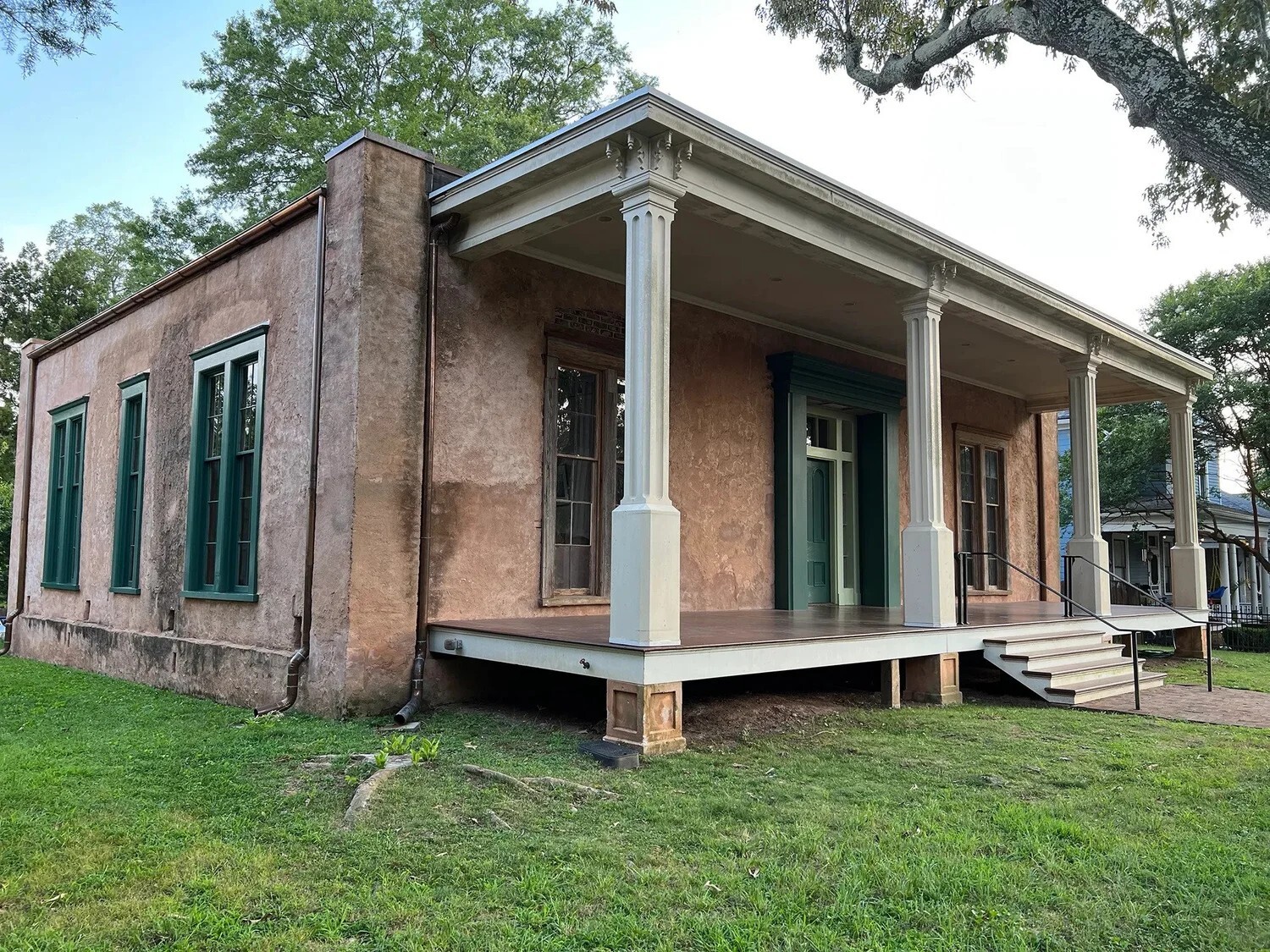
The historic L.P. Grant Mansion. Home of the Atlanta Preservation Center
Honoring the past while shaping the future of the city we call home
In a city defined by growth and constant evolution, preservation can sometimes feel like swimming against the current. Yet thanks to the work of the Atlanta Preservation Center, Atlanta’s architectural story continues to endure — protected, celebrated, and shared for generations to come.
At the center of that effort is David Yoakley Mitchell, Executive Director of the Atlanta Preservation Center. While he resides in Grant Park, Mitchell has long been a fervent advocate for preserving the character and significance of neighborhoods across the city.
A Citywide Mission Rooted in History
Founded in 1979, the Atlanta Preservation Center is dedicated to promoting the preservation of Atlanta’s architecturally, historically, and culturally significant buildings, neighborhoods, and landscapes through education and advocacy.
From its home in the historic L.P. Grant Mansion, the organization works to ensure that Atlanta’s most meaningful places are not lost to time or redevelopment. Through guided tours, educational programming, advocacy efforts, and preservation initiatives, the Center helps residents better understand the value of the spaces around them — and why they matter.
Across Atlanta, the organization has played a vital role in raising awareness, protecting historic sites, and advocating for neighborhoods that define the city’s identity.
One of its most visible initiatives is the Phoenix Flies Celebration, an annual citywide event held each March. Featuring more than 100 tours, lectures, and programs, Phoenix Flies invites Atlantans to experience the city’s historic landmarks firsthand — often providing rare access to spaces not typically open to the public.
Why Preservation Matters
Preservation is about more than saving buildings — it is about protecting the stories and character that shape a city over time.
For Mitchell, that mission is deeply personal.
“Art has always inspired me,” he says. “But so have the people in my life — my father, my wife, and my son. Preservation allows us to represent those who can no longer represent themselves by protecting the buildings, homes, and places they once lived in and used.”
That perspective brings both passion and purpose to his leadership. It also shapes how he approaches the challenges that come with preservation work.
“Fear and ignorance are the constant problem,” Mitchell notes. “You quell them with courage and love.”
That work is not just philosophical — it is actively shaping the city. Mitchell recently played a role in the re-designation and preservation of the Randolph-Lucas-Jones House on Peachtree Circle, a historic 1924 residence recognized for both its architectural significance and its connection to Atlanta’s early development. Originally built along Peachtree Street and later relocated, the home stands today as a rare surviving example of the monumental residential architecture that once defined the corridor — and a reminder of what thoughtful preservation can achieve.
In a rapidly growing city like Atlanta, those challenges are real — making advocacy, education, and community engagement more important than ever.
A Local Connection with Lasting Impact
Mitchell points to the relationships within Ansley Park as an important part of that connection. Residents including Roger Smith, Steven Carpenter, Stuart Noel, Joseph Bishop, Gene Kansas, Erik LaValle, along with Tom Klein, have supported the Atlanta Preservation Center by opening their homes, hosting gatherings, and helping bring the organization’s mission to life within the neighborhood.
“These are great people who make Ansley Park even greater,” Mitchell says.
While the Atlanta Preservation Center’s work spans the entire city, neighborhoods like Ansley Park offer a powerful example of why that work matters.
Developed in the early 1900s as Atlanta’s first automobile suburb, Ansley Park introduced winding parkways, generous green spaces, and thoughtfully designed homes — a departure from earlier neighborhood planning and a model for what modern residential living could become.
Today, its blend of architectural styles and historic significance reflects a legacy worth protecting. Like many of Atlanta’s historic communities, it continues to evolve alongside the city’s growth — reinforcing the importance of thoughtful preservation and community awareness.
“In neighborhoods like Ansley Park, preservation isn’t about the past alone,” Mitchell says. “It’s about protecting the character, stories, and sense of place that continue to define Atlanta today.”
Looking Ahead
As Atlanta continues to grow, the work of the Atlanta Preservation Center remains essential. Through education, advocacy, and community involvement, the organization ensures that the city’s most meaningful places are not only preserved, but truly understood.
For residents, that mission offers both an opportunity and a responsibility — to engage, to learn, and to support the efforts that keep Atlanta’s history alive.
Learn More & Get Involved
Atlanta Preservation Center
327 St. Paul Avenue SE
Atlanta, GA 30312
(404) 688-3353
www.atlantapreservationcenter.com
327 St. Paul Avenue SE
Atlanta, GA 30312
(404) 688-3353
www.atlantapreservationcenter.com