The ROI of Hyperlocal Print Advertising in Affluent Neighborhoods
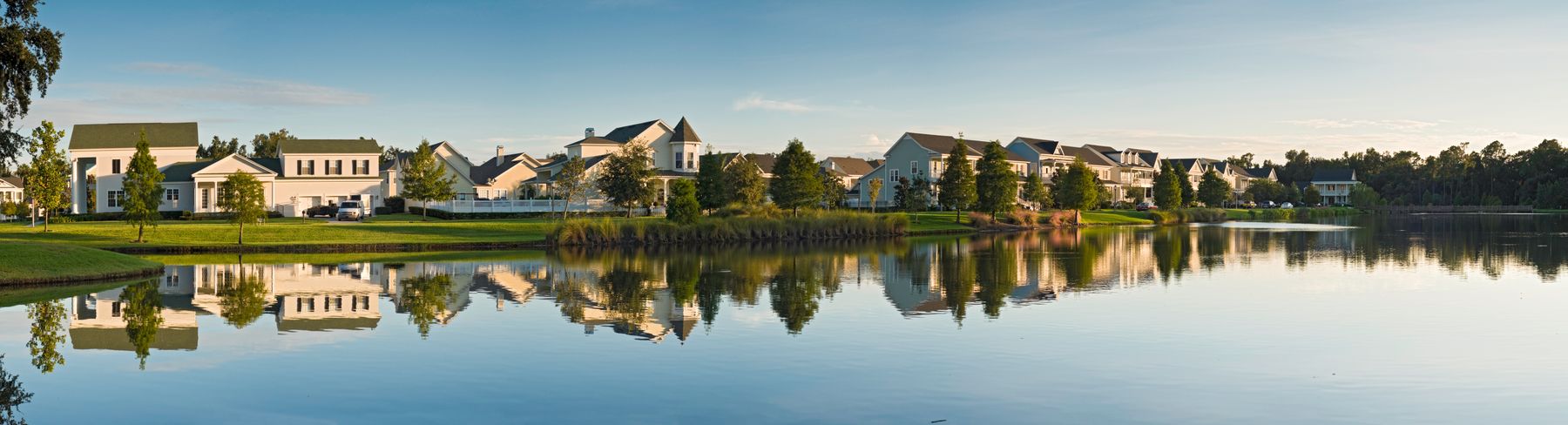
Print media continues to deliver superior engagement and recall rates among high-net-worth demographics compared to advertising alternatives. When delivered exclusively to affluent neighborhoods, hyperlocal publications achieve high readership because they feature local residents and hyper-relevant community news. For local businesses targeting high-spending households, hyperlocal print offers an uncluttered environment that drives strong brand retention and high customer lifetime value.
In an era dominated by algorithms, print media has evolved into a premium, tactile brand strategy, especially within high-net-worth communities. While other forms of entertainment suffer from declining attention spans, physical print media in affluent homes retains high emotional engagement and brand recall.
For business owners seeking high-ticket clients, understanding the true return on investment (ROI) of hyperlocal print is critical. For example, reaching 2,000 vetted, affluent households yields a far higher conversion value than displaying 100,000 digital impressions to an unqualified mass market.
The Psychology of Physical Print Media in High-Net-Worth Homes
Print media engages multiple senses, creating deeper cognitive connections and longer retention. In affluent households, well-designed neighborhood publications serve as lifestyle accessories rather than disposable clutter.
- Extended Shelf Life: Unlike a digital ad that disappears in seconds, a luxury neighborhood magazine stays on kitchen counters and living room tables for weeks.
- High-Intent Readership: Residents intentionally sit down to read stories about their neighbors, local events, and community updates, giving advertisements undivided attention.
- Implicit Quality Association: Appearing in a premium publication signals financial stability and industry prestige to discerning consumers.
Lifetime Value of an Affluent Customer
Evaluating hyperlocal print ROI requires focusing on Customer Lifetime Value (LTV) rather than immediate, low-cost impressions.
Because affluent homeowners have higher disposable income, securing a single customer through a neighborhood publication can generate tens of thousands of dollars in lifetime revenue through ongoing projects and word-of-mouth neighborhood referrals.
Hyperlocal Print vs. Mass Digital Advertising
| Performance Metric | Mass Digital Advertising | Stroll Neighborhood Print |
| Audience Targeting | Demographic Estimates | Specific Affluent Homeowners |
| Average View Duration | 1 to 3 Seconds | 15-30 Minutes Per Issue |
| Ad Visibility Environment | Surrounded by Ads of Businesses of Varying Quality and Prestige | Exclusive Placement Among Vetted List of Preferred Local Sponsors |
| Brand Recall Rate | Low (Sub-20%) | High (70%+ Among Regular Readers) |
Frequently Asked Questions
Is print advertising still effective for local business marketing?
Yes. Print advertising remains exceptionally effective when targeted to specific affluent neighborhoods where residents value tactile, community-focused content.
What industries benefit most from hyperlocal neighborhood advertising?
High-end residential remodeling, wealth management, custom home building, private education, luxury automotive, aesthetic medicine, and premium landscaping are just some of the industries that benefit immensely from neighborhood targeting.
How does hyperlocal print complement digital marketing?
Print builds baseline trust and high brand recall, making digital touchpoints like website visits or social media engagement significantly more likely to convert.
Put Your Brand on the Counters of Affluent Homeowners
Discover how hyperlocal neighborhood publications can transform your brand authority and client acquisition strategy. To learn more about Stroll marketing solutions, connect with the publisher of your local magazine today.